
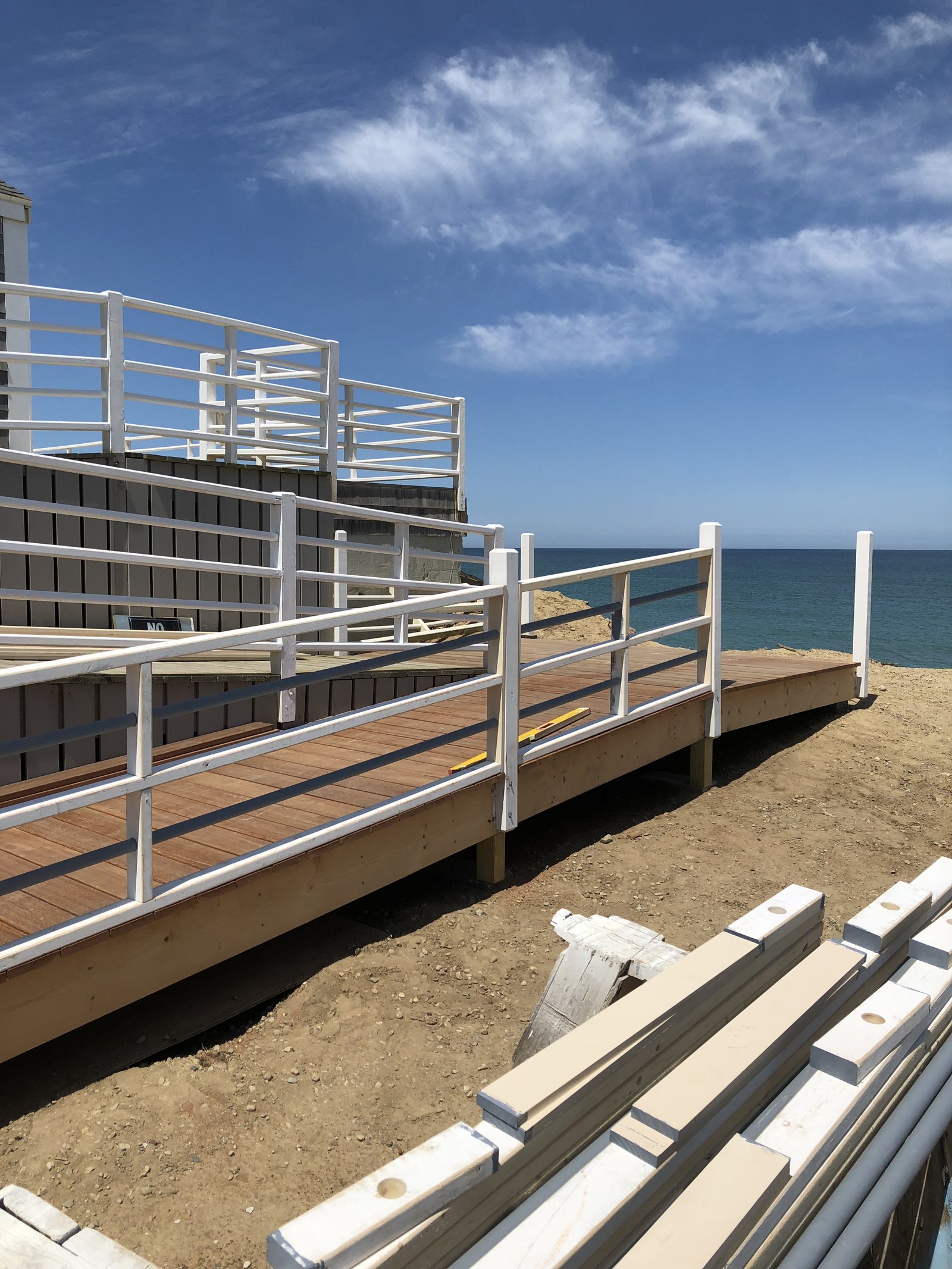
With 25 years of hands-on experience in the building trades, I've seen everything when it comes to decks. Decks that last 20+ years with proper care, and decks that fail in 5 because they were neglected. Coastal environments are especially brutal on outdoor wood structures — salt air accelerates corrosion, moisture promotes rot, and strong sun bleaches and cracks.
This guide will help you understand what your deck needs to survive — and thrive — in a demanding coastal climate.
Understanding Nantucket's Deck Challenges
Salt Air Corrosion
Nantucket's salt air is invisible but relentless. It corrodes metal fasteners (screws, nails, brackets) and accelerates the breakdown of wood fibers. What might be a 20-year deck in inland Massachusetts becomes a 10-15 year deck here if you're not careful.
Moisture and Humidity
Being an island means high humidity. Wood absorbs moisture, swells, then dries and contracts. This cycle promotes cracking, splitting, and rot. Poor drainage compounds the problem—you need water to shed off your deck, not soak into it.
Freeze-Thaw Cycles
Winter on Nantucket isn't as harsh as parts of the mainland, but we still get freezing temperatures. Water gets into small cracks, freezes, expands, and makes those cracks bigger. Repeat this over several winters and minor issues become major problems.
Sun Exposure
Summer sun on Nantucket is intense. UV rays break down wood fibers, causing graying and surface deterioration. Without protection, your beautiful cedar deck turns gray within a year and becomes brittle within a few years.
Seasonal Maintenance Checklist
Spring: Inspect and Clean
- Thorough cleaning: Sweep off winter debris, then wash with a deck cleaner specifically designed for your wood type
- Visual inspection: Look for loose boards, popped nails, wobbly railings, and signs of rot
- Check flashing: Make sure the flashing where your deck meets your house is intact and directing water away
- Inspect fasteners: Look for rust on screws and brackets—these should be stainless steel or coated for coastal use
- Test stability: Push on railings, steps, and deck boards. Everything should be solid with no give
Summer: Protect and Maintain
- Apply sealant or stain: If your deck needs refinishing, do it in late spring or early summer when conditions are ideal (not too hot, not too humid)
- Keep it clean: Sweep regularly, clean up spills immediately, and rinse with water occasionally to remove salt residue
- Check drainage: After heavy rain, make sure water is flowing away from your deck and not pooling
- Trim vegetation: Keep plants and trees trimmed back from your deck to improve air circulation and reduce moisture
Fall: Prepare for Winter
- Final cleaning: Remove all leaves and debris—they trap moisture and promote rot
- Inspect one more time: Fix any issues before winter when repairs are harder
- Check supports: Make sure your deck's supports, posts, and footings are stable
- Consider furniture covers: Protect outdoor furniture or store it for winter
Winter: Monitor and Protect
- Snow removal: Remove snow promptly, but use a plastic shovel—metal can damage wood
- Don't use salt: Rock salt corrodes metal and damages wood. Use calcium chloride instead if needed
- Check periodically: After storms, take a quick look for damage
- Keep drains clear: Make sure snow doesn't block drainage paths
Common Deck Problems and Solutions
Rotted Wood
Problem: Soft, crumbly wood—usually at posts, where boards meet, or in areas with poor drainage.
Solution: Small areas can be repaired with wood filler or a dog-hole repair kit. Extensive rot requires board or even structural member replacement. This is where having a professional assess the damage saves money in the long run—we can tell you if a repair is sufficient or if replacement is needed.
Loose or Popped Nails
Problem: Nails working their way out, causing boards to loosen and create tripping hazards.
Solution: Replace nails with screws. Nails withdraw over time; screws hold permanently. For coastal decks, use stainless steel screws—they won't rust.
Rusty Fasteners
Problem: Orange rust stains on wood, weakened structural connections.
Solution: Replace all rusted fasteners with marine-grade stainless steel. It's more expensive but it's what your deck needs on Nantucket. Once rust starts, it spreads.
Gray, Weathered Wood
Problem: Wood that's turned gray from UV exposure.
Solution: This is cosmetic. You can restore color with a wood brightener followed by a sealer or stain. If the wood is also cracked and brittle, consider replacement.
Wobbly Railings
Problem: Railings that shake when you lean on them.
Solution: This is a safety issue. Check the connection points—often the posts are loose at the deck surface. Depending on how it's built, this might need structural repair.
To Seal or Not to Seal?
This is a common question. Here's my take:
- Pressure-treated wood: Benefits from a sealer, but will last without it (just looks rough)
- Red cedar or hardwood (like ipe): Naturally resistant—sealer is optional but recommended for appearance
- Composite decking: Generally doesn't need sealing, but follow manufacturer's recommendations
If you do seal, choose a product specifically formulated for coastal use. Standard sealers from the mainland hardware store don't hold up here.
When to Call a Professional
Some deck issues are beyond DIY:
- Structural repairs—any work that affects load-bearing members
- Posts or footings that have rot at ground contact
- Railing replacement (safety-critical)
- Deck building or major renovation
- Anything involving the house connection (ledgers)
Building New? Here's What to Specify
If you're building a new deck on Nantucket, here's what will give you the longest lifespan:
- Materials: Use marine-grade stainless steel fasteners (not galvanized), and consider composite decking or premium hardwoods like ipe
- Design: Ensure proper drainage slope (at least 2% away from house), adequate ventilation, and corrosion-resistant hardware
- Installation: Proper flashing at the house connection is critical—water infiltration here destroys the ledger and can damage your house
Ready for Deck Repair or Maintenance?
I build and maintain decks on Nantucket. Whether you need a small repair, a full restoration, or a new deck built, I've got 25 years of experience to do it right.
Contact me at (207) 740-7966 or request an estimate. I'll assess your deck and recommend the right solution for your situation and budget.
Tags: Deck Maintenance, Carpentry, Coastal Living