
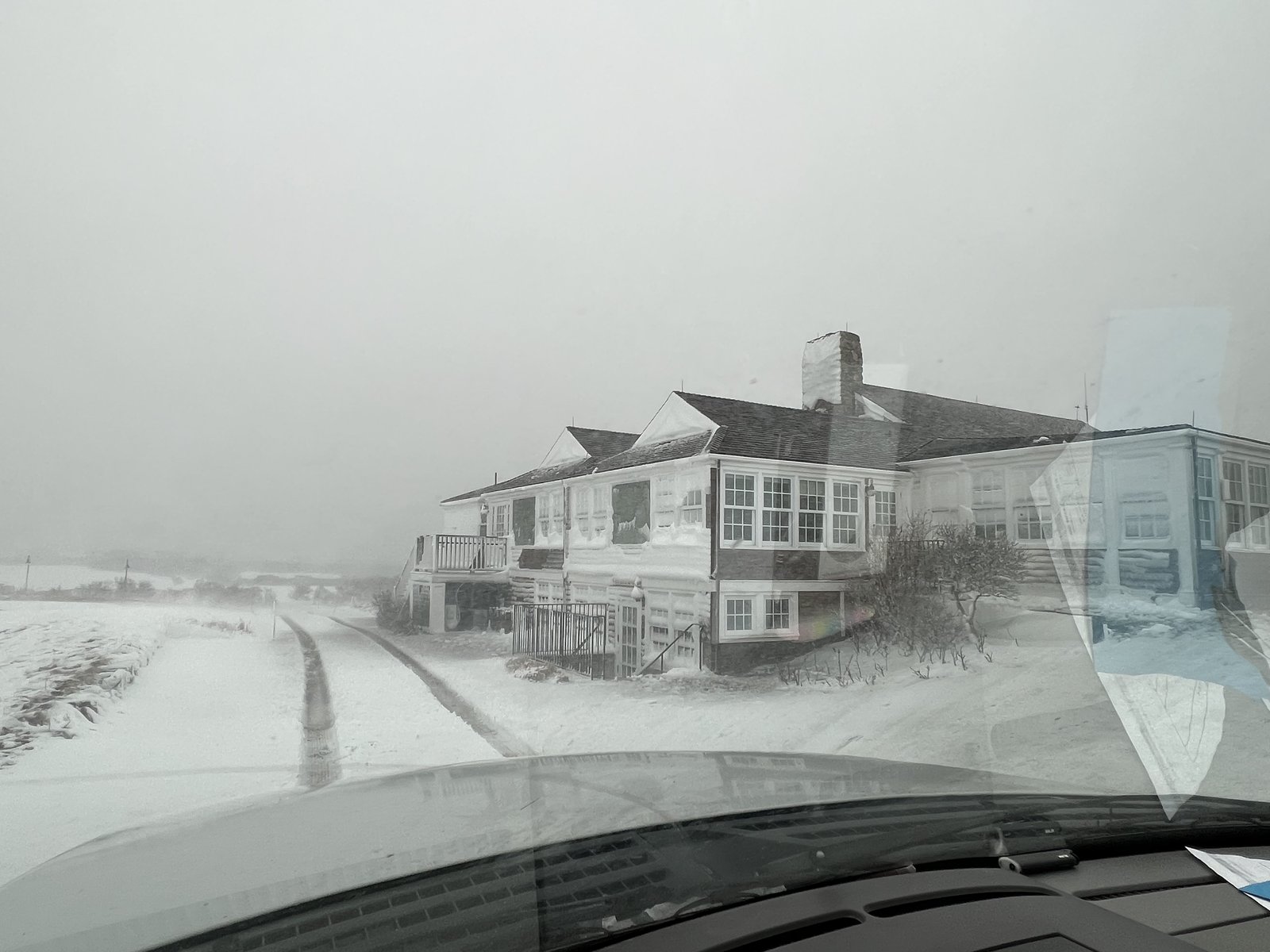
Having worked on properties across Nantucket and New England over the years, I've seen plenty of weather emergencies up close. Flooded basements, roofs torn up by nor'easters, pipes burst from cold snaps — the list goes on. Coastal properties face unique risks, and when severe weather hits, the ones who fare best are the ones who prepared ahead of time.
This guide will help you get ready for whatever coastal weather can throw at you.
Understanding Nantucket's Emergency Risks
Storms and Severe Weather
Nantucket gets hit by nor'easters, tropical storms, and occasionally hurricanes. These bring high winds, storm surge, heavy rain, and flooding. The island's exposed position means we often get the worst of coastal storms.
Power Outages
Power outages happen. Strong storms can bring down lines, and because we're on a separate grid from the mainland, restoration can take longer. Some outages are planned; most are not.
Transportation Interruptions
When the weather turns bad, the ferries stop. If you're not on the island when you need to be, you might be stuck on the mainland for days. And if you're on-island and need supplies or help that can't wait, you're limited to what's locally available.
Isolation for Seasonal Property Owners
If your property is seasonal and you're not there, problems can fester. A small leak becomes a big one. A frozen pipe bursts and floods. Without someone checking, you might not even know there's a problem until you arrive in spring.
Emergency Kit: The Basics
Every home should have these essentials:
Water and Food
- One gallon of water per person per day (plan for at least 3 days)
- Non-perishable food (canned goods, protein bars, dried foods)
- Manual can opener
- Water purification tablets or filter
Lighting and Power
- Flashlights (one per room)
- Headlamps (hands-free is better)
- Extra batteries
- Candles and matches/lighters
- Battery-powered or hand-crank radio
- Portable phone chargers/power banks
Warmth and Shelter
- Blankets or sleeping bags
- Extra warm clothing
- Hats, gloves, and warm socks
- Portable propane heater (with proper ventilation!)
First Aid and Medical
- First aid kit (complete with prescription medications for at least a week)
- Personal medical documents
- List of emergency contacts
- Any specialized medical supplies
Tools and Supplies
- Basic tool kit (hammer, screwdrivers, wrenches, pliers)
- Duct tape
- Plastic sheeting and trash bags
- Work gloves
- Cell phone with all chargers
Power Outage Preparedness
Before an Outage
- Invest in a generator: A whole-house generator is ideal, but a portable generator can power essentials. Have proper fuel stored safely.
- Get a battery backup for sump pumps: Flooding from power loss during storms is common.
- Know your circuit breaker: Make sure you can quickly turn off power if needed.
- Keep devices charged: Don't wait until the warning—keep phones and power banks topped off.
- Consider a whole-house surge protector: Power surges when electricity returns can destroy electronics.
During an Outage
- Keep refrigerator and freezer doors closed (food lasts 4+ hours if unopened)
- Use flashlights, not candles (safer)
- Turn off large appliances (protect them when power returns)
- Never run a generator indoors or in a garage—deadly carbon monoxide
- Stay updated via battery-powered radio
Storm Preparation
Before the Storm
- Bring in or secure outdoor furniture
- Trim trees and remove dead branches
- Check and clean gutters and drains
- Stock up on supplies (see emergency kit above)
- Fill your car's gas tank
- Fill propane tanks
- Charge all phones and devices
- Know your safe room (interior room, away from windows)
- If you have a boat, secure it properly
- Board up windows if warranted (plywood or storm shutters)
If You Evacuate
- Follow local evacuation orders (they're there for a reason)
- Turn off utilities at the main
- Secure your property as best you can
- Take your emergency kit and important documents
- Let someone know where you're going
Protecting Your Property
Seasonal Properties
- Arrange for property checks: If you're not on-island, hire a property management company to check during your absence.
- Know your property: Make sure whoever checks knows where the main water shut-off is, where the circuit breaker is, etc.
- Install smart home devices: Water leak sensors, temperature sensors, and security cameras can alert you to problems early.
- Keep trees trimmed: Dead branches become projectiles in storms.
Year-Round Properties
- Maintain adequate homeowners insurance
- Document your property (photos, video)
- Keep important documents in a waterproof, fireproof safe
- Know your neighbors—on Nantucket, we look out for each other
Communication Plan
- Have an out-of-area contact (someone not likely to be affected by the same storm)
- Create an emergency contact list with names, numbers, and roles
- Share your emergency plan with family and neighbors
- Have a communication method that doesn't rely on cell towers (satellite phone, HAM radio if you're into it)
- Nantucket's emergency management posts updates on their website and social media—follow them
What To Do In Specific Emergencies
Flooding
- Move to higher ground immediately
- Don't walk or drive through flood waters (6 inches can sweep you off your feet)
- Turn off electricity if you can do so safely
- Document everything for insurance (photos, video)
Fire
- Get out first—don't try to save belongings
- Close doors behind you to slow fire spread
- Feel doors before opening (if hot, find another way)
- Once out, stay out—call 911
Medical Emergency
- Call 911 (Nantucket has professional fire and EMS services)
- Have clear directions to your property ready to give dispatchers
- If you can, have someone meet the emergency responders
- Nantucket has a hospital (Nantucket Cottage Hospital) but serious cases may need air ambulance to the mainland
Our Emergency Services
Smith & Company helps property owners recover from emergencies. While I hope you never need the help, here's what I can assist with:
- Emergency property repairs (roof damage, leaks, etc.)
- Flooded basement pumping and remediation
- Property security and winterization
- Damage assessment and repair planning
- Coordination with insurance
Stay Safe, Nantucket
The key to emergency preparedness is simple: think ahead, make a plan, and gather supplies. A little preparation goes a long way toward keeping you, your family, and your property safe when the unexpected happens.
I'm available year-round to help before, during, and after emergencies. Give me a call at (207) 740-7966 or contact me online.
Tags: Emergency Preparedness, Safety, Nantucket